






Digital vs offset printing for your next campaign
Printing a marketing campaign, brochure, poster or branded collateral means choosing a process that fits budget, quality, and the message you want to convey. I present the core differences between digital and offset printing, explain how CMYK and color management influence results, detail finishing options that impact tactile appeal, and guide vous through cost and environmental trade-offs so you can pick the right process for your next campaign.
Digital vs Offset: Rapid primer on printing technologies
How digital printing works and when to pick it
Digital printing reproduces images directly from a digital file to the press — think toner-based or inkjet technologies. Its strengths are short runs, fast turnaround, and variable data (personalized names or images on each piece). If vous require quick proofs, frequent updates of copy, or highly targeted mailings, digital often yields lower initial costs and less setup time. Color can be excellent on modern machines, though substrate choice affects the final look.
How offset printing works and when to choose it
Offset printing uses metal plates to transfer ink onto a rubber blanket, then onto paper. The initial setup (plate-making, press calibration) takes time and cost, but per-unit cost drops significantly with volume. Offset excels for high-volume, color-critical projects, offering consistent reproduction, superior fine detail, and a wider choice of inks including spot colors for brand accuracy. For large runs or where exact Pantone matches matter, offset remains the industry benchmark.
Color fidelity and print quality: CMYK, spot colors, and management
CMYK limitations and color gamut expansion
Standard process printing uses CMYK (Cyan, Magenta, Yellow, Key/Black), which covers most print needs but has a limited gamut compared to RGB displays. For brand-critical colors or vivid fluorescents, spot inks (Pantone) or expanded process sets (CMYK+O/G) may be necessary. I explain color expectations to clients routinely: digital presses can emulate many hues well, but offset with spot colors delivers unmatched precision when exact matches are non-negotiable.
Ensuring consistent color across the run
Color management involves ICC profiles, press proofing, and calibrated workflows. Offset benefits from consistent runs once press conditions are locked; digital devices may vary slightly between machines or batches. If vous need consistent color across multiple print partners or repeat campaigns, request press proofs, specify profiles, and confirm whether spot colors or color-accurate offset runs are required.
Print quality and ideal applications
When digital printing delivers great results
Digital printing is ideal for variable personalized mailings, rapid turnaround promo materials, and proofs that will later move to offset. Modern digital presses produce crisp text and smooth gradients; on coated stocks the finish can approach offset quality. For runs under a few hundred to a few thousand units, digital frequently wins on speed and flexibility while delivering acceptable print quality for most marketing collateral.
When offset printing is the superior choice
For high-resolution art prints, large brochures, and packaging where ink lay and color accuracy matter deeply, offset provides the edge. The tactile richness — heavier ink lay, fine halftones, and the ability to use specialty inks (metallics, varnishes) or custom coatings — creates an elevated finish that digital struggles to match. For large volumes, offset’s lower unit cost and consistent output make it the economical premium choice.
Finishing options and tactile effects that sell
Standard finishing choices that enhance perception
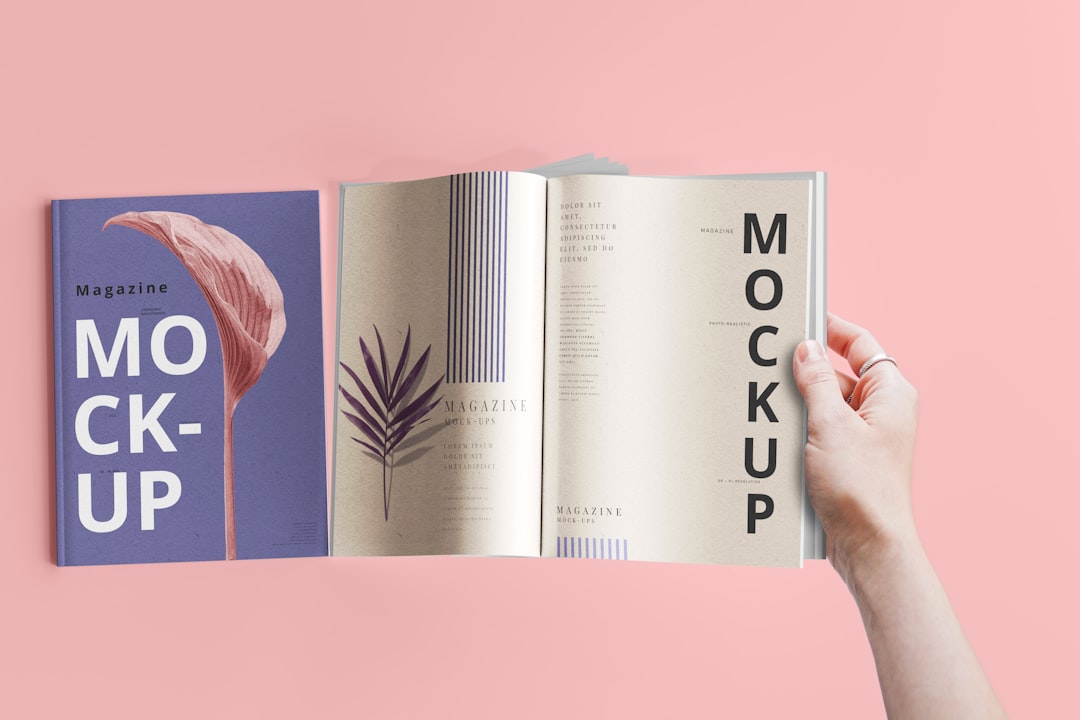
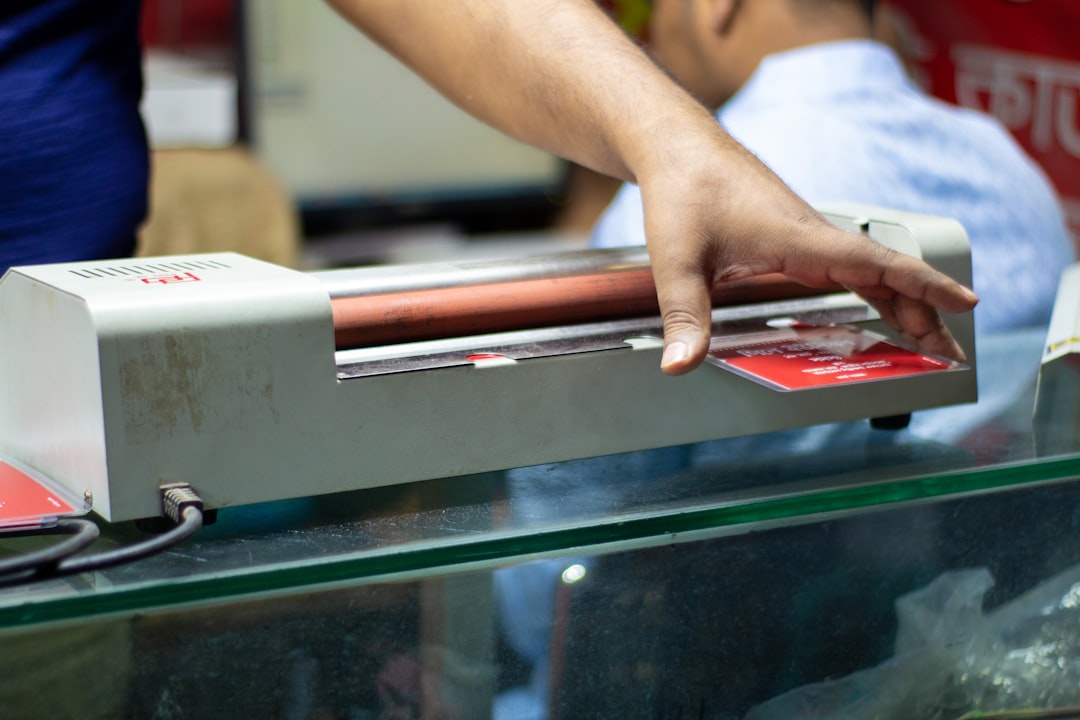
Common finishing options include coating (varnish, aqueous), lamination (matte or gloss), folding, binding, and perforation. These choices affect durability, look, and the customer’s tactile experience. I often recommend an aqueous coating for vibrant color protection or soft-touch lamination for a luxurious feel that complements high-end brands.
Specialty finishes and creative effects
Embossing, debossing, foil stamping, spot UV, and die-cutting add premium cues. Some require offset-friendly processes or extra setup; others can be applied post-press. When vous want an unmissable mailer or premium packaging, combine finishing techniques thoughtfully — a foil stamp plus matte lamination can signal quality without exploding the budget.
Cost, turnaround, and sustainability considerations
Comparing cost structures and timelines
Digital favors low quantities and fast delivery; offset amortizes setup costs across large runs. Turnaround for digital can be days; offset may take longer due to proofs and press setup but becomes faster per unit for big jobs. Ask for a per-unit breakdown including finishing and shipping so vous can compare true costs and choose based on total campaign needs.
Environmental impact and materials choices
Both processes have environmental footprints. Digital minimizes waste on short runs; offset can be efficient for large volumes if plates and inks are managed responsibly. Choose recycled stocks, vegetable-based inks, and ask printers about waste reduction and certifications. I encourage clients to weigh durability (longer-lived printed pieces can reduce repeated runs) against initial material impacts.
- Key selection criteria: run length, color fidelity, turnaround, finishing needs, budget
- Practical tip: request press proofs and samples of intended finishes
- When in doubt: start digital for testing, move to offset for scaled campaigns
- Sustainability: prefer recycled stocks, vegetable inks, and certified printers
Recommendations to Choose the Right Process for Your Campaign
Je advise vous to match process to project goals: choose digital for speed, personalization, and short runs; opt for offset for large volumes, spot-color accuracy, or premium tactile finishes. Balance CMYK limitations with spot inks when brand color matters, and always confirm finishing compatibility with the chosen press. If vous want, I can help evaluate a specific job — send file specs, quantities, and target deadlines and je will recommend the most efficient, high-impact route.
For UK-focused examples of file specs, finishing options and printed campaign case studies, see clear22.co.uk.