






Building a cohesive brand across print and digital
I’m delighted to guide vous through building a brand that feels seamless whether it’s ink on paper or pixels on a screen. Brand cohesion is more than matching colors — it’s about aligning visuals, voice, and experience so that chaque interaction reinforces who you are. Je will walk vous through practical strategies for consistency, a usable style guide, cross-channel design techniques, and how to run integrated campaigns that perform.
Maintaining Brand Consistency Across Print and Digital
Defining the brand DNA: core elements that must persist
A coherent brand starts with a set of immutable elements: logo, color palette, typography, tone of voice, and key messaging. For print, color values use CMYK and spot inks; for digital, they require RGB and hexadecimal codes. Je advise you to document both sets clearly so designers and vendors never guess. When these foundations are fixed, every brochure, banner, and landing page echoes the same identity.
How consistency builds recognition and trust
Consistent use of brand assets reduces cognitive load for votre audience and accelerates recognition. When the same visual cues and message patterns repeat across touchpoints, vous create memory shortcuts in the mind of prospects. That trust translates into higher conversion rates and stronger customer loyalty — outcomes you can measure through repeat engagement and brand lift studies.
Crafting a Practical Brand Style Guide
What to include in a living style guide
A usable style guide balances rigidity and flexibility. Include logo usage rules, color systems (with print/digital swatches), typography hierarchy, image direction, microcopy examples, and do/don’t scenarios. Add downloadable assets and code snippets for developers. Je recommend a section for accessibility standards — contrast ratios, alt text patterns, and responsive layout rules — so the brand works for everyone.
Governance: keeping the guide alive and adopted
A guide is only powerful when teams use it. Assign a brand steward to approve deviations, schedule quarterly reviews, and collect feedback from creative, marketing, and production teams. Provide training sessions and quick reference one-pagers. Je suggest version control with changelogs so everyone understands why a guideline evolved — this reduces rogue variations and preserves coherence.
Designing Cross-Channel Experiences
Translating visual identity for print vs. screen
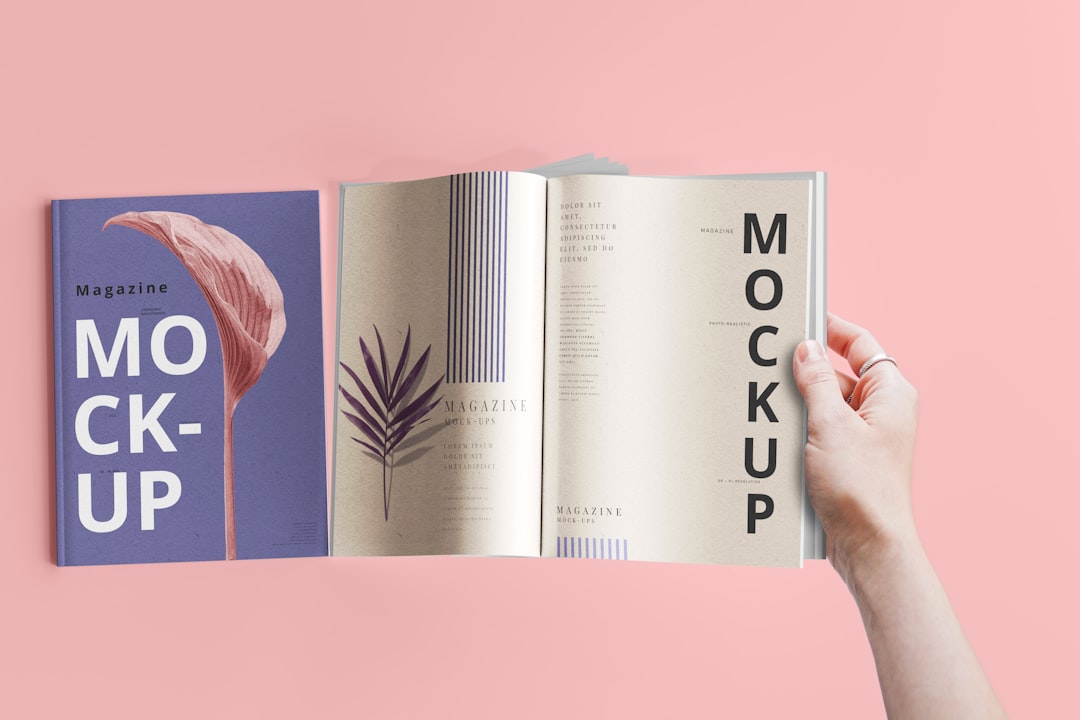
Print and digital each have constraints and opportunities. Print offers tactile finishes, embossing, and controlled color reproduction; digital enables motion, interactivity, and personalization. When adapting a concept, retain the core visual grammar — proportions, spacing, and imagery style — while optimizing for medium-specific features. For instance, a printed brochure’s hero image might be static and textured, while its digital counterpart could animate subtly to draw attention.
Aligning voice and messaging across platforms
Visuals catch attention; words build relationship. Keep a single brand voice but allow register shifts: more formal in annual reports, more conversational on social channels. Provide messaging templates — headlines, subheads, CTAs — that follow a shared structure so copywriters can produce consistent content quickly. Je encourage cross-functional reviews so marketing, PR, and design all speak from the same script.
Integrated Campaigns That Feel Unified
Planning omnichannel campaigns with a hub-and-spoke model
Design campaigns with a central creative hub — a unifying idea, asset set, and message — then adapt it for each channel’s requirements. The hub could be a hero video, a thematic visual, or a slogan. Spokes translate that hub into print ads, email sequences, social posts, and landing pages. This approach ensures recognition while letting chaque channel perform what it does best.
Measuring impact and iterating for coherence
Track both creative consistency and performance. Use brand tracking metrics (aided recall, message recognition) alongside campaign KPIs (CTR, conversion rate). If print drives high engagement but digital fails to convert, investigate friction points in UX or messaging misalignment. Je recommend A/B testing creative variants across channels and documenting learnings to refine both design and messaging.
- Quick checklist for cohesive brand execution:
- Document core assets with print and digital specifications
- Establish a living, accessible style guide with governance
- Train teams and provide ready-to-use templates
- Adapt visual language for medium-specific strengths
- Maintain a single, adaptable brand voice
- Run campaigns from a central creative hub and measure consistently
Actionable Roadmap to a Unified Brand Across Print and Digital
To bring everything together, start by auditing existing touchpoints and identify the top five inconsistencies that confuse votre audience. Update the style guide to close those gaps, then pilot a campaign using the hub-and-spoke method to validate the new standards. Je urge vous to collect data and feedback continuously — brand cohesion improves through disciplined design, clear guidelines, and iterative testing. With consistent execution, vos print and digital efforts will no longer compete for attention; they will amplify the same story, beautifully and reliably.
For concrete examples of print-to-screen translations, downloadable style-guide templates, and case studies that illustrate this approach in action, consult clear22.co.uk.